Immobilien kaufen Zinsen Expert Rate Analysis

Immobilien kaufen Zinsen Expert Rate Analysis

Expert analysis on Immobilien kaufen Zinsen: understand interest rate impacts, market trends, and make informed German property financing decisions. Real-world insights.

In the dynamic world of German real estate, understanding mortgage interest rates is paramount. My work with property clients over two decades has shown me that the cost of borrowing directly impacts purchasing power and long-term financial stability. A slight change in interest rates can mean thousands of Euros over the life of a loan. This article draws on practical experience to break down the complexities of Immobilien kaufen Zinsen, offering clarity for anyone entering the market.

Overview

  • Interest rates significantly impact property affordability and overall investment strategy in Germany.
  • The European Central Bank (ECB) plays a critical role in setting baseline interest rates that influence German mortgage offerings.
  • Fixed-rate mortgages offer payment stability, while variable rates can provide initial flexibility with inherent risks.
  • External market conditions, including inflation, economic growth, and global events, directly shape current interest rates.
  • A thorough comparison of various lending offers is essential to secure the most favorable terms for your property purchase.
  • Personal financial standing, including creditworthiness and down payment size, heavily influences the interest rates a borrower qualifies for.
  • Expert financial advice is invaluable for understanding complex loan structures and future market outlooks.

Understanding the Dynamics of Immobilien kaufen Zinsen

When we talk about Immobilien kaufen Zinsen, we are referring to the interest rates associated with financing real estate purchases in Germany. These rates are not static; they fluctuate based on a multitude of factors, both local and international. From a practical standpoint, the European Central Bank (ECB) sets the tone for borrowing costs across the Eurozone, which directly influences what German banks offer. Their monetary policy decisions, such as adjustments to key interest rates, ripple through the entire financial system.

For prospective buyers, differentiating between fixed-rate and variable-rate mortgages is crucial. A fixed-rate mortgage locks in your interest rate for a specific term, typically 5, 10, or 15 years. This provides predictability in monthly payments, shielding you from rising rates. Conversely, variable rates adjust with market movements. While potentially offering lower initial payments, they carry the risk of future increases. My experience shows that most German buyers prefer the security of fixed rates, especially in volatile periods. Analyzing your personal risk tolerance and financial planning is key here.

Market Factors Influencing Property Loan Rates

Several external and internal market factors converge to shape the rates for property loans. Economic indicators such as inflation rates, GDP growth, and employment figures provide a general outlook for interest rate trends. High inflation, for example, often prompts central banks to raise rates to curb spending. This directly impacts the cost of Immobilien kaufen Zinsen. Geopolitical events and global economic stability also play a significant, if less predictable, role. A crisis elsewhere can quickly shift investor sentiment and affect bond yields, which banks use as a basis for mortgage pricing.

The supply and demand dynamics within the German housing market also hold sway. In regions with high demand and limited housing, prices may rise, sometimes leading to slightly lower loan-to-value ratios for lenders, which can marginally influence rates. Furthermore, an individual’s creditworthiness and the amount of their down payment are critical. A strong credit score and a substantial equity contribution typically lead to more favorable interest rate offers. This is similar to how lending works in the US or other developed markets, where personal financial stability is rewarded.

Strategies for Securing Favorable Immobilien kaufen Zinsen

Securing the best Immobilien kaufen Zinsen requires a proactive and informed approach. The first step is always to compare offers from multiple lenders. Do not settle for the first bank you approach. Online mortgage brokers and local financial advisors can access a broader range of options than a single bank might present. They often have insights into current market promotions or specific lender criteria that can work in your favor. This comparison process might seem tedious, but even a small percentage point difference translates into substantial savings over a 20 or 30-year loan term.

Another important strategy is improving your personal financial profile. Building a strong credit history and ensuring all your credit reports are accurate is essential. Lenders evaluate your ability to repay based on past behavior. Moreover, increasing your down payment reduces the bank’s risk exposure. A higher equity contribution often unlocks lower interest rates. Exploring options for long-term rate fixing, especially when rates are historically low, can provide peace of mind. Some buyers also consider public subsidies or specific government-backed loan programs, particularly for energy-efficient homes.

Future Outlook for Property Investment in Germany

Predicting the exact future of German property investment rates is challenging, yet we can observe ongoing trends and potential influences. The ECB’s future policy decisions will remain a primary driver. Any

Read Full News
Silber als Wertanlage Proven Strategy Guide

Silber als Wertanlage Proven Strategy Guide

Investing in silver offers tangible asset protection and portfolio diversification. Understand market dynamics and practical strategies for Silber als Wertanlage.

From my decades observing economic cycles and advising on tangible assets, I’ve seen firsthand the enduring appeal of silver. It serves not just as an industrial metal but also as a traditional safe-haven asset. Many investors globally, including those in the US, look to precious metals like silver to preserve wealth during uncertain times. Understanding its role and how to approach it is key for anyone serious about asset diversification.

Overview

  • Silver offers a dual appeal: industrial demand and investment hedge.
  • It typically performs well during periods of high inflation or economic instability.
  • Investment options range from physical bullion to exchange-traded funds (ETFs).
  • Due diligence on storage, liquidity, and premium costs is essential.
  • Market factors like central bank policies and global economic growth influence silver prices.
  • Silber als Wertanlage can provide portfolio diversification against traditional assets.
  • A long-term perspective is often beneficial when allocating capital to silver.

The Foundation of Silber als Wertanlage

Silver has a unique position, acting both as an industrial commodity and a monetary metal. For millennia, it has served as a medium of exchange and a store of value across cultures. Its intrinsic worth is widely recognized. From my experience, investors often turn to silver when traditional financial markets show volatility or when inflationary pressures build. This tangible asset provides a sense of security that paper assets cannot always offer.

The market for silver is smaller and often more volatile than gold, presenting distinct opportunities and risks. Industrial demand accounts for over half of its annual consumption, used in electronics, solar panels, and medical applications. This industrial utility provides a robust demand floor, unlike pure monetary metals. When economic growth strengthens, industrial demand for silver typically rises, impacting its price.

Approaching Silber als Wertanlage means appreciating its role as an inflation hedge. During periods of rising costs, owning physical assets like silver helps protect purchasing power. Unlike fiat currency, silver cannot be printed at will, preserving its scarcity. This characteristic is fundamental to its long-term appeal as a wealth preserver. Understanding these foundational elements helps frame expectations for your investment journey.

Understanding Silver Market Forces

Understanding the forces that move the silver market is critical for any investor. Supply primarily comes from mining, often as a byproduct of copper, lead, or zinc extraction. Demand drivers are complex, ranging from jewelry and silverware to crucial industrial applications. Economic expansion fuels industrial demand, while geopolitical instability and fear often boost investment demand.

Central bank policies, especially from institutions like the US Federal Reserve, play a significant role. Interest rate decisions and quantitative easing measures can impact the perceived value of safe-haven assets. A weaker US dollar often makes dollar-denominated commodities, including silver, more attractive to international buyers. This interplay of factors requires constant monitoring.

Silver’s price tends to be more volatile than gold due to its smaller market size and higher industrial dependency. This volatility can present opportunities for strategic entry and exit points, but it also carries increased risk. Investors should analyze global economic indicators, technological advancements, and overall market sentiment. Diversifying your approach to market data provides a clearer picture.

Long-Term Outlook for Silber als Wertanlage

The long-term prospects for silver appear compelling, driven by evolving global trends. Its increasing use in green technologies, such as solar photovoltaic cells and electric vehicle components, is a significant demand catalyst. As the world transitions towards renewable energy and digitalization, silver’s industrial footprint will likely expand. This structural demand provides a positive undercurrent for its future value.

From a wealth preservation standpoint, Silber als Wertanlage continues to serve as an effective hedge against inflation and currency debasement. Governments globally continue to expand money supplies, which historically favors finite assets like precious metals. While short-term price fluctuations are inevitable, the fundamental role of silver as a tangible store of value remains robust for long-term holders.

My observation confirms that patient investors who view silver as a multi-decade asset often benefit. It acts as a counterweight within a balanced portfolio, particularly during periods when traditional assets struggle. The scarcity of new silver discoveries, combined with rising industrial requirements, suggests a favorable supply-demand dynamic in the coming decades. This creates a strong argument for its enduring appeal.

Executing Your Plan for Silber als Wertanlage

Putting a plan into action involves several practical decisions. Investors typically choose between physical silver (coins, bars) or paper assets like silver ETFs or mining stocks. Each option carries distinct advantages and disadvantages regarding liquidity, premiums, storage, and counterparty risk. Physical silver offers direct ownership and removes counterparty risk but requires secure storage.

For those opting for physical silver, securing reputable dealers is paramount. Always verify authenticity and understand the premiums over spot price. Storage solutions range

Read Full News
Goldpreis aktuell Euro Live Data and Expert Analysis

Goldpreis aktuell Euro Live Data and Expert Analysis

Get real-time Goldpreis aktuell Euro data, expert insights, and market analysis. Understand factors influencing gold’s value in Europe.

Gold has long been a bedrock asset, a tangible store of value that transcends political borders and economic cycles. For investors and savers in the Eurozone, understanding the Goldpreis aktuell Euro is not just an academic exercise. It’s a critical component of financial prudence. Tracking its movements provides insight into broader market sentiment, inflation expectations, and geopolitical stability. My years in financial markets show gold’s behavior offers unique perspectives. This is especially true for the Goldpreis aktuell Euro, often overlooked by those focused solely on US dollar pricing.

Overview

  • Goldpreis aktuell Euro reflects a complex interplay of global and regional factors.
  • The US dollar’s strength or weakness significantly impacts euro-denominated gold.
  • Interest rate policies from central banks like the ECB and Federal Reserve influence gold’s appeal.
  • Geopolitical events and economic uncertainty often drive safe-haven demand for gold.
  • Inflation expectations can bolster gold’s value as a hedge against purchasing power erosion.
  • Physical demand from jewelry, industrial use, and central bank purchases provides foundational support.
  • Understanding these dynamics is crucial for making informed investment decisions.

My Experience with Goldpreis aktuell Euro Volatility

Tracking the Goldpreis aktuell Euro for two decades taught me about volatility. It’s not just a risk; it’s an opportunity for those understanding its triggers. I’ve observed how sudden geopolitical shifts or unexpected economic data releases cause sharp, immediate movements. For instance, during the initial phases of the Eurozone debt crisis, fear drove prices upward. Investors sought safety outside conventional assets.

Conversely, strong economic growth in Europe, paired with rising interest rates, often leads to a pullback. Yield-bearing assets then become more attractive. Greek sovereign debt concerns marked a memorable period. The euro was under pressure. Consequently, the Goldpreis aktuell Euro saw a notable surge, even with a stable dollar gold price. This highlights the currency component. A weaker euro against the dollar inherently makes gold more expensive for European buyers. This happens even if gold’s dollar price remains unchanged. It’s a dynamic requiring constant attention. Real-time data feeds are essential here. They show how each tick influences your portfolio’s perceived value.

The Role of Macroeconomics in Goldpreis aktuell Euro

Macroeconomic indicators are powerful forces shaping the Goldpreis aktuell Euro. Central bank policies, especially from the European Central Bank (ECB) and the US Federal Reserve, play a prominent role. When the ECB signals a dovish stance, it often lowers interest rates or uses quantitative easing. This typically weakens the euro. Such actions often provide a tailwind for euro-denominated gold. Hawkish signals, hinting at rate hikes, can conversely strengthen the euro. This potentially dampens gold’s appeal.

Inflation data is another key piece of the puzzle. Gold is traditionally seen as a hedge against inflation. If inflation expectations rise within the Eurozone, investors often increase their gold holdings. This aims to preserve purchasing power. This increased demand directly influences the Goldpreis aktuell Euro. Employment figures, GDP growth, and consumer confidence reports also contribute. They paint a broader picture of economic health. A robust economy might draw capital away from gold and into riskier, growth-oriented assets. These interconnected factors demand continuous monitoring for anyone tracking gold’s value.

Global Influences Shaping Gold Prices

While local factors are significant, global dynamics hold immense sway over gold’s valuation. The strength of the US dollar against major currencies, including the euro, is perhaps the most critical external factor. Gold is primarily priced in US dollars globally. When the dollar strengthens, gold becomes pricier for other currency holders. This can reduce demand and push down its dollar price. For Eurozone investors, a strong dollar has implications. Even if gold’s dollar price dips, the Goldpreis aktuell Euro might not fall sharply. It could even rise due to the euro’s relative weakness.

Geopolitical events invariably trigger a flight to safety. Conflicts, trade wars, or major political instability are examples. Gold, being a traditional safe-haven asset, sees increased demand during such times. This global demand surge elevates its price across all currencies. Supply and demand fundamentals also matter. Mining output, scrap supply, and purchases by central banks worldwide, particularly from emerging economies, can have a tangible impact. These global currents are not always predictable, making gold a dynamic asset.

Analyzing the Goldpreis aktuell Euro: Practical Steps

For individuals tracking the Goldpreis aktuell Euro, a disciplined approach is vital. Start by monitoring reliable financial news sources. They should offer real-time quotes and expert commentary. Don’t rely solely on one source; cross-reference data to ensure accuracy. Pay close attention to currency exchange rates, especially the EUR/USD pair. A weakening euro often means a higher Goldpreis aktuell Euro. This assumes the dollar gold price remains stable or appreciates.

Beyond spot prices, delve into the underlying economic narratives. What are the

Read Full News
Understanding income statement basics clearly?

Understanding income statement basics clearly?

An income statement, often called a profit and loss (P&L) statement, serves as a fundamental financial report that details a company’s financial performance over a specific period, typically a quarter or a year. It acts like a report card, showing how much money a business generated and how much it spent during that timeframe, ultimately revealing its net profit or loss. For anyone looking to grasp the financial health of an organization, from investors to business owners, a clear comprehension of this document is indispensable. It provides crucial insights into operational efficiency, revenue generation capabilities, and cost management.

Overview

  • The income statement, also known as a Profit and Loss (P&L) statement, reports a company’s financial performance over a defined period.
  • Its primary purpose is to show how much revenue a company generated and how much expense it incurred to earn that revenue.
  • Key components include revenues, cost of goods sold (COGS), operating expenses, interest expenses, taxes, and net income.
  • Net income (or net loss) is the bottom line, indicating the company’s profitability after all expenses and taxes are accounted for.
  • It is vital for assessing a company’s operational efficiency, profitability trends, and overall financial health.
  • Stakeholders like investors, creditors, and management use this statement for making informed decisions regarding investment, lending, and business strategy.

Defining the Core for Understanding Income Statement Basics

At its heart, an income statement provides a historical account of a company’s financial transactions related to its earnings and spending. Unlike a balance sheet, which offers a snapshot of assets and liabilities at a specific point in time, the income statement covers a period, like three months or twelve months. This temporal focus is crucial for assessing trends and performance dynamics. It essentially answers the question: “How much money did the company make or lose during this period?” The objective is to calculate the net income (or loss), which is the residual amount after all costs and expenses have been deducted from total revenues. This bottom line figure is a critical indicator of a business’s success in generating wealth for its owners. Without a firm grasp of these income statement basics, evaluating a company’s operational viability and sustained profitability becomes challenging.

Deconstructing Key Elements for Understanding Income Statement Basics

To truly understand an income statement, one must recognize its main components. These are typically presented in a sequential order, leading down to the net income.

  • Revenue (Sales): This is the top line, representing the total money generated from the sale of goods or services. It is the starting point and shows the volume of business activity.
  • Cost of Goods Sold (COGS): Directly related to revenue, COGS includes the direct costs attributable to the production of goods sold by a company. For a manufacturing company, this would include raw materials, direct labor, and manufacturing overhead. For a retailer, it’s the wholesale cost of the items sold. Subtracting COGS from revenue yields Gross Profit.
  • Gross Profit: This figure indicates how much profit a company makes from its sales after accounting for the direct costs of producing or acquiring the goods it sells. It reflects the efficiency of core operations before overheads.
  • Operating Expenses: These are the costs incurred in the ordinary course of business that are not directly tied to production. Common examples include selling, general, and administrative (SG&A) expenses, such as salaries, rent, utilities, marketing, and research and development. Subtracting operating expenses from gross profit gives Operating Income (or EBIT – Earnings Before Interest and Taxes).
  • Other Income and Expenses: This section accounts for revenues and expenses not directly related to a company’s primary operations, such as interest income, interest expense, or gains/losses from asset sales.
  • Income Before Taxes: This is the company’s profit before any tax obligations are considered.
  • Income Tax Expense: The amount of tax the company owes on its earnings.
  • Net Income (The Bottom Line): This is the final figure on the income statement, representing the total profit or loss for the period after all expenses, including taxes and interest, have been deducted from revenue. A positive net income indicates profitability, while a negative figure signifies a loss.

Why Understanding Income Statement Basics Matters

The income statement is more than just a summary of numbers; it’s a narrative of a company’s performance. For investors, it reveals a company’s ability to generate earnings and grow profits, which directly impacts stock valuation. Creditors, like banks, use it to assess a company’s capacity to repay loans by evaluating its consistent profitability. Within the company itself, management relies on this statement to evaluate departmental performance, make operational adjustments, and plan future strategies. For example, if COGS is rising faster than revenue, it might signal inefficiencies in production or supply chain issues that need addressing. Observing trends in revenue and expense lines over multiple periods helps identify whether a

Read Full News
Building expense ratio awareness for investments?

Building expense ratio awareness for investments?

For anyone aiming to build a successful investment portfolio, understanding the fees associated with your holdings is just as important as selecting the right assets. Among these various fees, the expense ratio stands out as a critical factor that can significantly erode your returns over time if overlooked. It’s a subtle but powerful force, quietly deducting a percentage from your investment balance each year, regardless of market performance. Cultivating expense ratio awareness is not merely good practice; it’s essential for maximizing your financial growth and ensuring your investments work harder for you, not against you.

Overview

  • Expense ratios are annual fees expressed as a percentage of your investment, impacting long-term returns.
  • Even seemingly small expense ratios compound over decades, significantly reducing wealth accumulation.
  • Building expense ratio awareness means actively seeking out and comparing these costs before investing.
  • Information on expense ratios can be found in a fund’s prospectus, fact sheet, or on brokerage websites.
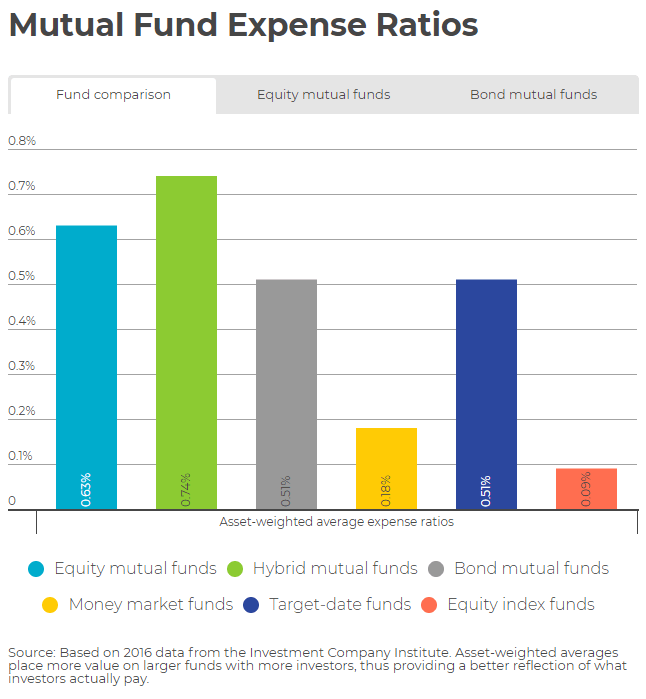
  • Actively managed funds generally have higher expense ratios than passive index funds or Exchange Traded Funds (ETFs).
  • Prioritizing low-cost investment options, when suitable for your strategy, is a key component of smart investing.
  • Regularly reviewing your portfolio’s expense ratios helps maintain an efficient and cost-effective investment approach.

Understanding What an Expense Ratio Is and Why It Matters for Expense Ratio Awareness

An expense ratio represents the annual fee that all fund investors pay to cover a fund’s operating expenses. This figure is expressed as a percentage of your investment and is deducted directly from the fund’s assets on a daily basis. These expenses typically include management fees, administrative costs, and other operational charges. It’s important to recognize that this isn’t a fee you write a check for; rather, it’s silently removed from your investment, affecting the fund’s net asset value (NAV) and, consequently, your overall returns. Building strong expense ratio awareness starts with knowing exactly what this percentage signifies and its direct impact on your financial future. It’s a recurring cost that, unlike brokerage commissions which are often one-time, continues to subtract from your wealth year after year, making even small differences profoundly significant over the long run.

The Direct Impact of Expense Ratios on Your Investment Returns – A Foundation for Expense Ratio Awareness

The power of compounding is a well-known principle in investing, but it works both ways. Just as your investments can compound and grow, so too can the detrimental effect of expense ratios compound over decades. Imagine two identical funds, both returning 7% annually before fees. Fund A has an expense ratio of 0.10%, while Fund B has an expense ratio of 1.00%. Over 30 years, an initial investment of $10,000 in Fund A would yield substantially more than in Fund B, purely due to that 0.90% difference in annual fees. This seemingly small gap can amount to tens of thousands, or even hundreds of thousands, of dollars in lost earnings over an investor’s lifetime. This fundamental understanding of how fees erode compounding growth is central to developing robust expense ratio awareness. In the US market, where competition among fund providers is high, it’s possible to find high-quality investment options with very low expense ratios, making diligent research critical.

Where to Find and Evaluate Expense Ratios for Better Expense Ratio Awareness

Identifying the expense ratio for any investment fund is straightforward, yet it’s a step many investors unfortunately skip. To build solid expense ratio awareness, you should always consult the fund’s official documents. The most reliable sources are the fund’s prospectus or its summary prospectus, which are legal documents outlining all pertinent information about the fund, including its fees and expenses. Fund fact sheets, often available on brokerage platforms or the fund company’s website, also typically display the expense ratio prominently. Websites like Morningstar, which provide detailed fund analysis, are also excellent resources for comparing expense ratios across various funds. When evaluating, don’t just look at the number in isolation. Compare it against similar funds in the same asset class and investment strategy to determine if it’s competitive.

Differentiating Expense Ratios: Actively Managed vs. Index Funds and Their Role in Expense Ratio Awareness

A key aspect of effective expense ratio awareness involves understanding the typical cost differences between actively managed funds and passively managed funds, such as index funds and Exchange Traded Funds (ETFs). Actively managed funds employ professional managers who make ongoing decisions about buying and selling securities within the fund, aiming to outperform a specific market benchmark. This active management typically comes with higher operating costs, reflected in higher expense ratios, often ranging from 0.50% to over 2.00% annually. In contrast, index funds and ETFs are designed to simply track a particular market index, like the S&P 500, with minimal human intervention. Their lower operational costs translate into significantly lower expense ratios, frequently below 0.20%, and sometimes even

Read Full News
What to include in a financial audit checklist?

What to include in a financial audit checklist?

A financial audit is a critical process for any organization, providing an independent examination of its financial records and statements. It ensures accuracy, transparency, and compliance with reporting standards. Preparing for an audit can seem daunting, but having a well-structured financial audit checklist can streamline the process, reduce stress, and help identify potential issues before the auditors arrive. This checklist serves as a roadmap, guiding your team through the necessary documentation and procedures required for a successful review.

Overview

  • A financial audit checklist helps organizations systematically prepare for independent financial examinations.
  • It covers initial administrative steps, crucial for setting the stage and ensuring smooth communication with auditors.
  • The checklist includes detailed sections for reviewing and gathering financial statements, ensuring all accounts are reconciled and supportable.
  • It emphasizes the importance of documenting internal controls and operational policies that safeguard assets and data.
  • Effective documentation and a clear understanding of the audit scope are vital for minimizing disruptions.
  • Post-audit procedures, including addressing findings and maintaining a robust documentation archive, are also key components.

Preparatory Steps for Your Financial Audit Checklist

Effective audit preparation begins long before the auditors set foot in your office. The initial phase of your financial audit checklist should focus on administrative organization and data readiness. Start by confirming the audit period and understanding the specific scope outlined in the engagement letter. This includes knowing which financial statements, departments, or specific transactions will be under scrutiny. Designate a primary contact person from your team who will be responsible for coordinating all audit-related activities, gathering requested documents, and communicating with the auditors.

Gather all essential legal and corporate documents, such as articles of incorporation, bylaws, organizational charts, and board meeting minutes. Ensure that all prior year audit reports and management letters, along with responses to previous findings, are readily available. A crucial part of this stage is organizing all accounting records: general ledgers, sub-ledgers, journal entries, and trial balances should be current, reconciled, and easily accessible. Confirm that your accounting software can generate required reports efficiently. Proactive engagement in these initial steps significantly reduces the back-and-forth during the audit itself.

Examining Financial Statements with Your Financial Audit Checklist

The core of any financial audit involves a deep dive into the organization’s financial statements. Your financial audit checklist must include detailed sections for each primary statement: the balance sheet, income statement, statement of cash flows, and statement of changes in equity. For the balance sheet, ensure all asset, liability, and equity accounts are reconciled to supporting documentation. This means having bank statements, investment account statements, loan agreements, and detailed fixed asset schedules ready. Accounts receivable and payable aging reports should be current, with explanations for any significant or long-outstanding items. Inventory counts and valuation methods also need clear documentation.

When reviewing the income statement, be prepared to support all revenue and expense accounts. This involves having sales invoices, purchase orders, vendor contracts, payroll records, and expense reports on hand. Focus on significant fluctuations or unusual items, and be ready to explain their nature. For instance, in the US, specific GAAP (Generally Accepted Accounting Principles) requirements dictate how certain revenues are recognized. For the statement of cash flows, ensure that reconciliations between net income and cash flows from operating activities are accurate and supported by underlying cash transactions. The goal is to provide a transparent and verifiable trail for every material figure presented in your financial reports.

Internal Controls and Operational Aspects of the Financial Audit Checklist

Beyond the numbers, auditors will assess the effectiveness of your internal controls. This is a vital component of any robust financial audit checklist. Internal controls are the processes and policies your organization implements to safeguard assets, ensure the accuracy of financial data, promote operational efficiency, and encourage adherence to management policies. Be prepared to document and demonstrate these controls. This includes segregation of duties, authorization procedures for transactions, physical controls over assets, and IT general controls.

Your checklist should prompt you to gather documents related to your internal control environment. This could include policies and procedures manuals, job descriptions outlining roles and responsibilities, evidence of regular reconciliation activities, and results from any internal control assessments. For example, explain your process for approving invoices, managing cash receipts, or onboarding new employees. Auditors will often test these controls to confirm they are functioning as described. A strong internal control framework not only provides assurance to auditors but also helps prevent errors and fraud within your organization.

Post-Audit & Documentation for a Robust Financial Audit Checklist

The work doesn’t stop once the auditors leave your premises. A well-rounded financial audit checklist also addresses post-audit responsibilities and the importance of thorough documentation. After the audit fieldwork is complete, you will likely receive a draft audit report and a management letter outlining any identified deficiencies, control weaknesses, or

Read Full News
Risk Management Banking Tools and Strategies

Risk Management Banking Tools and Strategies

Mastering the complexities of Risk Management (Banking) is crucial for financial institutions’ survival and success. This article delves into the tools and strategies that banks employ to mitigate various risks and maintain stability. We’ll explore the multifaceted nature of banking risk and provide practical insights into effective management techniques.

Key Takeaways:

  • This article provides a practical overview of the key tools and strategies used in Risk Management (Banking), focusing on credit, market, and operational risks.
  • We explore how technology plays a crucial role in modern risk management practices, improving efficiency and accuracy.
  • The importance of robust regulatory compliance and effective internal controls in minimizing risk is highlighted.
  • Understanding and implementing these strategies is vital for maintaining a strong and secure financial institution.

Understanding the Core Components of Risk Management (Banking)

The financial services industry is inherently risky. Risk Management (Banking) encompasses a wide range of activities aimed at identifying, assessing, and mitigating potential losses. Key risk categories include credit risk (the risk of borrowers defaulting on loans), market risk (the risk of losses from fluctuations in market prices), operational risk (the risk of losses from internal failures or external events), and liquidity risk (the risk of not having enough cash on hand to meet obligations). Effective risk management requires a structured approach, incorporating rigorous data analysis, sophisticated modeling techniques, and a strong risk culture throughout the organization. This involves establishing clear risk appetites, implementing robust internal controls, and regularly monitoring and reporting on risk exposures. Banks must also adapt to evolving regulatory landscapes and technological advancements, constantly refining their risk management frameworks.

Leveraging Technology for Advanced Risk Management (Banking)

Technology has revolutionized how banks manage risk. Sophisticated software applications enable the automated monitoring of risk exposures across various portfolios. Advanced analytics tools allow for more accurate risk assessments and predictive modeling, helping institutions to proactively identify and address potential problems. Machine learning algorithms can analyze vast amounts of data to detect patterns and anomalies, flagging potentially problematic transactions or accounts. Real-time risk dashboards provide managers with a clear and concise overview of the institution’s risk profile, allowing for rapid response to emerging threats. The use of cloud-based platforms enhances data security and improves collaboration among risk management teams. Investing in these technologies is essential for modern banks seeking to maintain a competitive edge and reduce operational costs while strengthening their risk management capabilities.

Implementing Robust Internal Controls and Regulatory Compliance

Strong internal controls are the cornerstone of effective Risk Management (Banking). These controls should encompass all aspects of the bank’s operations, from loan origination to investment management. Segregation of duties, regular audits, and robust approval processes are crucial in mitigating the risk of fraud and error. Compliance with regulatory requirements, such as those imposed by banking supervisors and other relevant authorities, is paramount. Banks must have a comprehensive understanding of applicable laws and regulations and maintain accurate records to demonstrate compliance. Regular training for staff on risk management best practices and regulatory requirements ensures a strong risk culture within the organization. Failing to adhere to these standards can lead to significant financial penalties, reputational damage, and even legal action. A proactive approach to regulatory compliance, therefore, is essential for long-term sustainability.

Strategic Risk Appetite and the Importance of a Strong Risk Culture

Establishing a clear and well-defined risk appetite is crucial for guiding decision-making within a financial institution. The risk appetite should reflect the bank’s strategic objectives and its tolerance for risk. It needs to be regularly reviewed and adjusted to reflect changing market conditions and business strategies. This strategic approach to risk management must permeate the entire organization. A strong risk culture is one in which risk awareness and responsible risk-taking are embedded within the organizational values and practices. This requires strong leadership commitment, effective communication, and consistent reinforcement of risk management principles across all levels of the organization. It’s not simply about adhering to rules and regulations; it’s about fostering a mindset where risk awareness is prioritized throughout daily operations. Us, as banking professionals, must nurture this environment to build a sustainable and resilient institution. By Risk Management (Banking)

Read Full News