



Key Takeaways
- Albuquerque sun, dry air, wind, and road grit can affect paint, trim, tires, glass, and cabin materials.
- Removing dust with water and clean microfiber tools is safer than wiping a dry vehicle.
- Shade, sunshades, paint protection, and routine inspections can reduce preventable wear.
- Monsoon readiness should include tires, wipers, lights, washer fluid, and a plan for rapidly changing visibility.
- Any window film should be selected with current New Mexico and local vehicle requirements in mind.
For Albuquerque drivers, vehicle care is about more than keeping a car looking polished. A daily commute across the metro can mean intense sun, windblown grit, hot pavement, construction dust, and sudden summer rain. Options such as ceramic coating for cars in Albuquerque, NM, can be part of a protection plan. Still, the most useful results come from pairing protective products with consistent, climate-aware maintenance.
Whether a vehicle spends its day near Downtown, Nob Hill, the Westside, the foothills, or on long drives toward Rio Rancho and Santa Fe, exposure adds up. UV rays can fade finishes and dry interior materials, while fine sand settles into seals, vents, wheel wells, and door jambs. A few practical habits can help a vehicle age more gracefully without requiring every available upgrade.
Why Albuquerque Desert Conditions Are Hard on Vehicles
New Mexico’s high-desert climate can expose vehicles to multiple forms of wear simultaneously. Intense sunlight can heat and fade dashboards, seats, steering wheels, and electronic components, while dry conditions may leave interior trim looking worn. Windblown dust and grit can also scratch paint when wiped across a dry surface. Drivers considering an automotive ceramic coating near me can explore protective options, but during severe dust events, safety should always take priority over vehicle appearance.
Start With Better Parking and Cabin Habits
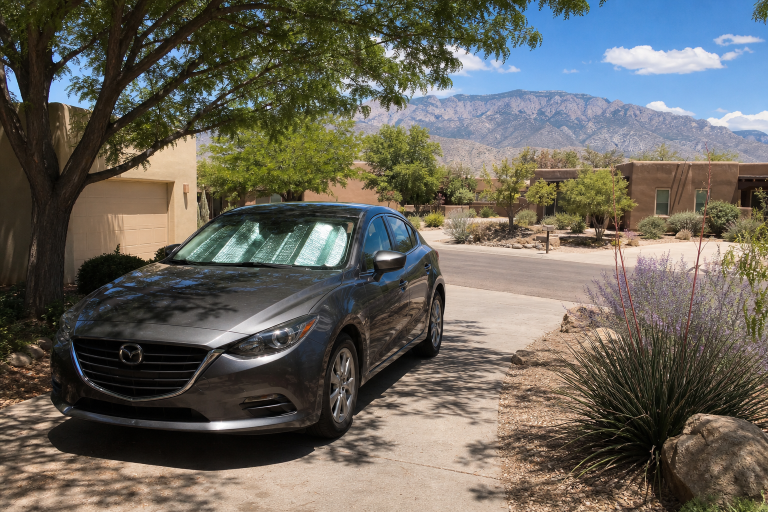
Parking choices are one of the simplest ways to limit daily exposure. Use a garage or covered space when possible, and choose shade during the hottest part of the afternoon. If an outdoor cover is used, make sure the vehicle is reasonably clean first. A cover dragged over a dusty surface can grind fine particles into the clear coat. Avoid parking beneath weak branches during high winds, and clean bird droppings or sap promptly before the heat bakes them onto the finish.
Drivers searching for surface protection options should first consider the vehicle’s actual parking conditions, mileage, and maintenance routine. A coating may make washing easier and help preserve a cared-for finish, but it cannot replace shade, careful cleaning, or prompt removal of contaminants.
Inside the cabin, place a reflective sunshade behind the windshield whenever the vehicle sits in direct sunlight. Dust vents, seams, screens, and buttons with a soft detailing brush or low-pressure air rather than a rough cloth. Use interior cleaners and conditioners designed for the specific material, whether leather, vinyl, plastic, or fabric. Keep products away from pedals and steering-wheel grips if they could leave a slippery residue.
Wash Dust Without Creating Fine Scratches
Dry dust is deceptively abrasive. Wiping it away with a paper towel, old T-shirt, or dry microfiber towel can leave swirl marks that become obvious in Albuquerque’s sharp sunshine. Instead, begin with a thorough rinse to loosen debris, then wash from the roof downward using a clean mitt and lubricating car-wash soap. Keep wheel tools separate from bodywork tools, rinse the mitt often, and dry with fresh microfiber towels or filtered air.
Focus on High-Contact Areas
- Rinse wheel wells, rocker panels, and lower doors where grit builds up.
- Clean door jambs, trunk channels, and windshield cowl areas before debris can block the drains.
- Remove bug residue, bird droppings, and tree sap as soon as practical.
- Inspect the front bumper, hood edge, mirrors, and door cups for chips and scuffs.
Choose Protection That Matches How You Drive
There is no single best solution for every vehicle in Albuquerque. Wax or paint sealant can suit owners who enjoy frequent hand washing. Ceramic coatings are longer-term surface treatments that can make routine cleaning easier when properly maintained. Paint protection film can be especially useful on high-impact zones, including front bumpers, hood edges, mirror caps, lower doors, and cargo ledges. Clear protective pieces also help around door handles and other areas that see repeated contact.
Window film may reduce glare and solar heat, making daily driving more comfortable. Before choosing a shade level, confirm that the product and installation comply with current rules for the vehicle’s front and rear windows. Protection products help reduce wear, but none of them eliminate the need to remove dust, inspect for damage, and maintain the vehicle regularly.
Check Tires Before Heat, Storms, and Road Trips
Hot pavement and long highway miles make tire care a core safety task. Check pressure when tires are cold, using the recommendation on the driver’s door placard or in the owner’s manual rather than the maximum number printed on the tire sidewall. The federal tire-safety guidance also emphasizes regular inspections for proper inflation, tread condition, damage, and aging.
- Look for cuts, cracks, bulges, embedded objects, and uneven wear.
- Check the spare tire and confirm that the jack and tools are present.
- Watch for recurring pressure loss, vibration, or a vehicle that pulls to one side.
- Do not apply tire shine to the tread surface, where it may reduce traction.
Prepare for Monsoon Storms and Blowing Dust
Before storm season or a long drive, top off the washer fluid, replace streaking wiper blades, and test the headlights, brake lights, and turn signals. Keep the windshield clean inside and out, as glare worsens when the glass is hazy. If dust suddenly cuts visibility, slow down, avoid stopping in an active travel lane when possible, and move to a safe location. Never drive into floodwater or push through a wall of dust to stay on schedule.
Follow a Simple Ongoing Maintenance Plan
- Weekly: Rinse heavy dust, clean glass, and look for fresh paint chips or cracked trim.
- Monthly: Check tire pressure, tread, lights, wipers, washer fluid, and visible leaks.
- Every three months: Clean vents, condition interior surfaces, inspect seals, and refresh exterior protection as needed.
- Before a road trip: Check oil, coolant, battery condition, tires, emergency supplies, and the spare.
Know When Professional Help Makes Sense
Seek a qualified technician when scratches reach beyond the clear coat, oxidation is widespread, film is peeling or bubbling, or paint-protection edges are lifting and collecting dirt. Professional inspection is also sensible for cracked interior materials, repeated tire-pressure loss, sidewall damage, or uneven tread wear. Ask what preparation is included, how long a product is expected to last, and what maintenance it will require afterward.
Conclusion
Protecting a daily driver in Albuquerque does not require an all-or-nothing approach. The most effective plan is one that fits the vehicle’s parking situation, daily mileage, budget, and exposure to sun, dust, and storms. Park thoughtfully, clean gently, inspect safety items often, and handle small chips or wear before they become larger problems. Consistent care is the best defense against the demanding conditions of driving in New Mexico.


