


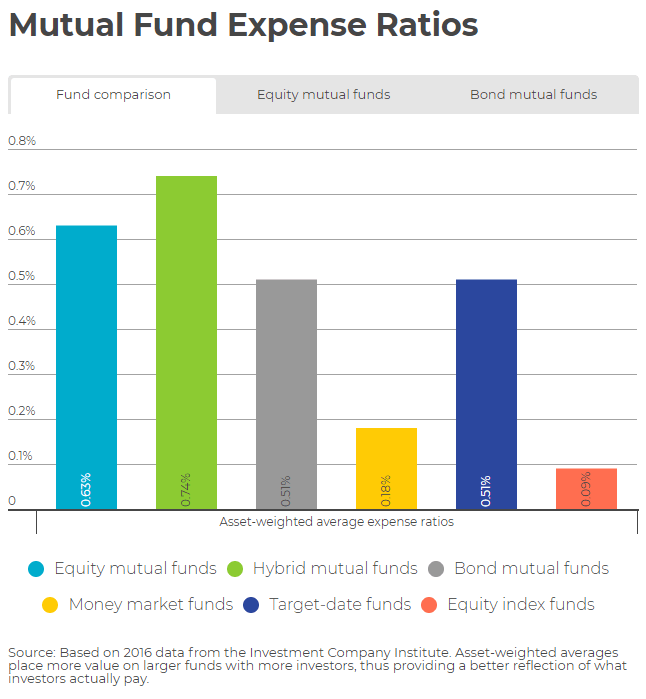
For anyone aiming to build a successful investment portfolio, understanding the fees associated with your holdings is just as important as selecting the right assets. Among these various fees, the expense ratio stands out as a critical factor that can significantly erode your returns over time if overlooked. It’s a subtle but powerful force, quietly deducting a percentage from your investment balance each year, regardless of market performance. Cultivating expense ratio awareness is not merely good practice; it’s essential for maximizing your financial growth and ensuring your investments work harder for you, not against you.
Overview
- Expense ratios are annual fees expressed as a percentage of your investment, impacting long-term returns.
- Even seemingly small expense ratios compound over decades, significantly reducing wealth accumulation.
- Building expense ratio awareness means actively seeking out and comparing these costs before investing.
- Information on expense ratios can be found in a fund’s prospectus, fact sheet, or on brokerage websites.
- Actively managed funds generally have higher expense ratios than passive index funds or Exchange Traded Funds (ETFs).
- Prioritizing low-cost investment options, when suitable for your strategy, is a key component of smart investing.
- Regularly reviewing your portfolio’s expense ratios helps maintain an efficient and cost-effective investment approach.
Understanding What an Expense Ratio Is and Why It Matters for Expense Ratio Awareness
An expense ratio represents the annual fee that all fund investors pay to cover a fund’s operating expenses. This figure is expressed as a percentage of your investment and is deducted directly from the fund’s assets on a daily basis. These expenses typically include management fees, administrative costs, and other operational charges. It’s important to recognize that this isn’t a fee you write a check for; rather, it’s silently removed from your investment, affecting the fund’s net asset value (NAV) and, consequently, your overall returns. Building strong expense ratio awareness starts with knowing exactly what this percentage signifies and its direct impact on your financial future. It’s a recurring cost that, unlike brokerage commissions which are often one-time, continues to subtract from your wealth year after year, making even small differences profoundly significant over the long run.
The Direct Impact of Expense Ratios on Your Investment Returns – A Foundation for Expense Ratio Awareness
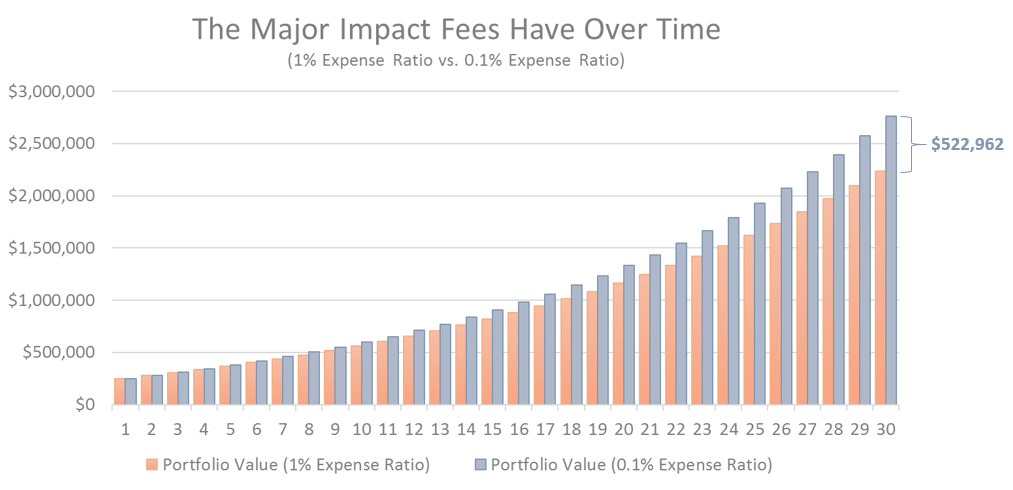
The power of compounding is a well-known principle in investing, but it works both ways. Just as your investments can compound and grow, so too can the detrimental effect of expense ratios compound over decades. Imagine two identical funds, both returning 7% annually before fees. Fund A has an expense ratio of 0.10%, while Fund B has an expense ratio of 1.00%. Over 30 years, an initial investment of $10,000 in Fund A would yield substantially more than in Fund B, purely due to that 0.90% difference in annual fees. This seemingly small gap can amount to tens of thousands, or even hundreds of thousands, of dollars in lost earnings over an investor’s lifetime. This fundamental understanding of how fees erode compounding growth is central to developing robust expense ratio awareness. In the US market, where competition among fund providers is high, it’s possible to find high-quality investment options with very low expense ratios, making diligent research critical.
Where to Find and Evaluate Expense Ratios for Better Expense Ratio Awareness
Identifying the expense ratio for any investment fund is straightforward, yet it’s a step many investors unfortunately skip. To build solid expense ratio awareness, you should always consult the fund’s official documents. The most reliable sources are the fund’s prospectus or its summary prospectus, which are legal documents outlining all pertinent information about the fund, including its fees and expenses. Fund fact sheets, often available on brokerage platforms or the fund company’s website, also typically display the expense ratio prominently. Websites like Morningstar, which provide detailed fund analysis, are also excellent resources for comparing expense ratios across various funds. When evaluating, don’t just look at the number in isolation. Compare it against similar funds in the same asset class and investment strategy to determine if it’s competitive.
Differentiating Expense Ratios: Actively Managed vs. Index Funds and Their Role in Expense Ratio Awareness
A key aspect of effective expense ratio awareness involves understanding the typical cost differences between actively managed funds and passively managed funds, such as index funds and Exchange Traded Funds (ETFs). Actively managed funds employ professional managers who make ongoing decisions about buying and selling securities within the fund, aiming to outperform a specific market benchmark. This active management typically comes with higher operating costs, reflected in higher expense ratios, often ranging from 0.50% to over 2.00% annually. In contrast, index funds and ETFs are designed to simply track a particular market index, like the S&P 500, with minimal human intervention. Their lower operational costs translate into significantly lower expense ratios, frequently below 0.20%, and sometimes even below 0.05%. While actively managed funds can sometimes justify their higher fees through superior performance, historical data often shows that the majority struggle to consistently beat their benchmarks after expenses. For many investors, prioritizing low-cost index funds or ETFs is a practical application of strong expense ratio awareness.
Strategies for Building Stronger Expense Ratio Awareness in Your Portfolio
Cultivating excellent expense ratio awareness is an ongoing process that can significantly improve your long-term investment outcomes. One primary strategy is to make it a non-negotiable part of your initial due diligence before purchasing any fund. Always check the expense ratio, just as you would review a company’s financial statements before buying its stock. Secondly, periodically review the expense ratios of your existing holdings. Fund companies can sometimes adjust their fees, or new, lower-cost alternatives may become available. If you find you’re paying high fees for underperforming funds, consider reallocating to more cost-efficient options that align with your investment goals. Additionally, understand that the stated expense ratio isn’t the only cost. While it’s the largest and most transparent, watch out for other potential fees, such as trading fees within the fund (though these are often baked into the expense ratio), or transaction fees charged by your brokerage. For example, some brokerages in the US offer commission-free ETFs, further reducing your overall investment costs. By actively applying these strategies, you empower yourself to make more informed and financially beneficial investment decisions.