Longevity Science Research and Applications

Longevity Science Research and Applications

Unlocking the Secrets to a Longer, Healthier Life: A Deep Dive into Longevity Science

Key Takeaways:

  • Longevity Science is a rapidly evolving field offering promising insights into extending healthy lifespans.
  • Lifestyle factors like diet, exercise, and stress management play a crucial role in influencing longevity.
  • Ongoing research into senolytics, gene therapy, and other interventions holds potential for future breakthroughs.
  • Understanding the science of aging empowers us to make informed choices that support a longer, healthier life.

Understanding the Fundamentals of Longevity Science

Longevity Science, also known as geroscience, is a multidisciplinary field dedicated to understanding the biological processes of aging and developing interventions to extend healthy lifespan. It moves beyond simply adding years to life, focusing instead on adding healthy years. Researchers are exploring the cellular and molecular mechanisms underlying aging, investigating the role of genetics, epigenetics, and environmental factors. This research seeks to identify targets for interventions aiming to slow down or even reverse the aging process. The ultimate goal? To significantly extend the period of healthy, active life for us all.

Lifestyle Choices: Your Role in Longevity Science

While scientific breakthroughs are exciting, it’s important to remember that our lifestyle choices significantly impact longevity. A balanced diet rich in fruits, vegetables, and whole grains, combined with regular exercise, is vital. Maintaining a healthy weight reduces the risk of age-related diseases. Stress management techniques, including meditation or yoga, are equally important, as chronic stress accelerates aging. Prioritizing these lifestyle factors forms the cornerstone of a proactive approach to longevity. We are not passive observers of aging; we are active participants.

Promising Avenues in Longevity Science Research

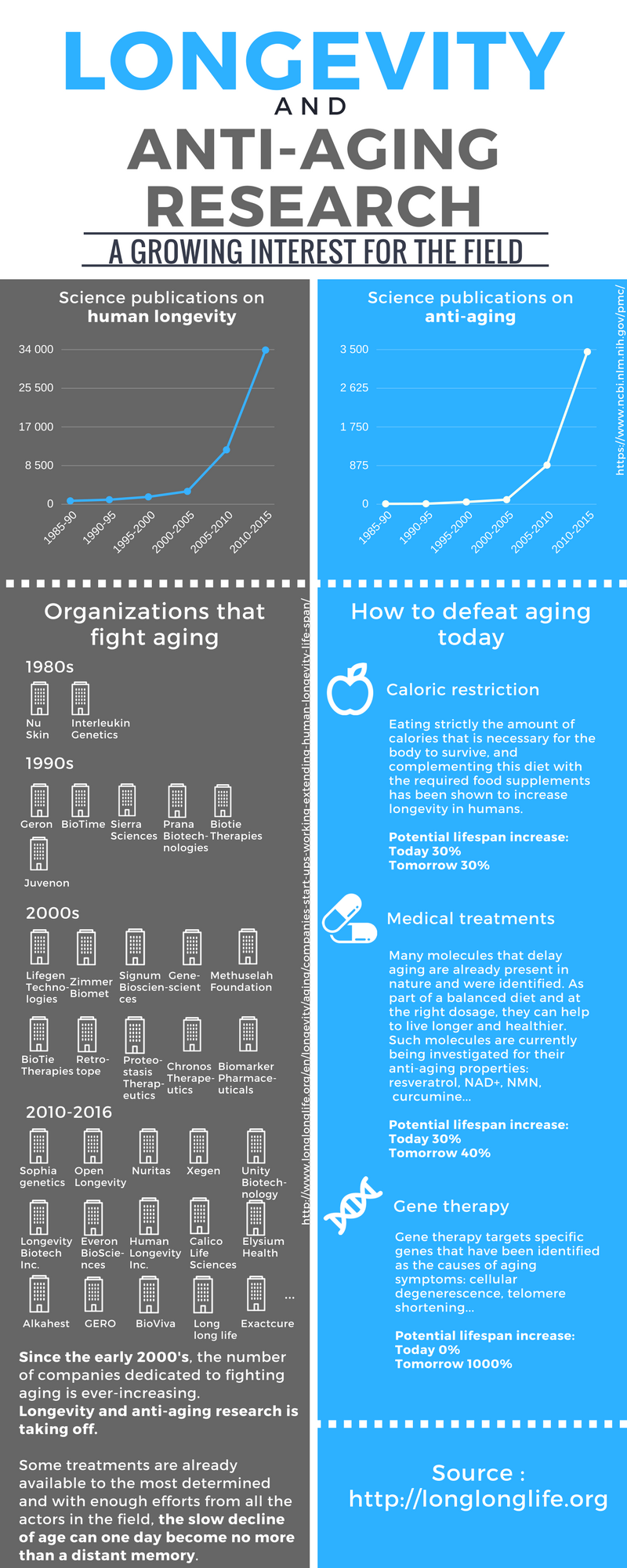
Exciting progress is being made in various areas of Longevity Science. Research on senolytics, drugs designed to eliminate senescent cells (cells that have stopped dividing but don’t die), is showing promising results in animal models. Gene therapy offers the potential to correct genetic defects linked to aging, and ongoing studies explore the efficacy of various supplements and dietary interventions. These avenues represent just a fraction of the many promising areas of research that hold the potential to revolutionize how we approach aging in the future.

The Future of Longevity Science and its Applications

The field of Longevity Science is dynamic and rapidly expanding. Collaboration between scientists, clinicians, and researchers is crucial to translate promising laboratory findings into practical applications. As we understand the aging process more fully, we can expect to see more targeted and effective interventions. This progress promises to have a profound impact on public health, potentially reducing the burden of age-related diseases and significantly improving the quality of life for millions. The future of Longevity Science lies not only in extending lifespan but in maximizing healthspan—the period of life spent in good health. Understanding this difference is critical to our efforts. This interdisciplinary field will continue to shape the future of healthcare for us and generations to come.

Read Full News
Pioneering Longevity: Unraveling the Secrets of a Healthful Life

Pioneering Longevity: Unraveling the Secrets of a Healthful Life

Pioneering Longevity: Unraveling the Secrets of a Healthful Life

Pioneering Longevity: Unraveling the Secrets of a Healthful Life

Embarking on the quest for a longer, healthier life has been a human aspiration for centuries. In the modern era, scientific advancements in longevity research are bringing us closer to understanding the intricacies of aging and how we can potentially enhance and extend our lives.

Decoding the Aging Process: Longevity Research Unveiled

Longevity research focuses on deciphering the complexities of aging at the cellular and molecular levels. Scientists delve into the mechanisms that contribute to the aging process, aiming to identify interventions that can slow down or reverse these mechanisms. Understanding the science behind aging is crucial for developing strategies to promote longer and healthier lives.

Genetic Influences on Longevity: Unraveling the DNA Blueprint

One key aspect of longevity research involves exploring the role of genetics in determining lifespan. Scientists study the genomes of individuals who exhibit exceptional longevity to identify specific genetic factors associated with a longer life. Unraveling the DNA blueprint provides insights into the genetic determinants that contribute to a person’s ability to age gracefully.

Lifestyle Factors: The Impact of Daily Choices on Longevity

While genetics play a role, lifestyle factors are equally critical in determining longevity. Research indicates that adopting a healthy lifestyle, including a balanced diet, regular exercise, and stress management, can positively influence the aging process. Longevity research emphasizes the importance of daily choices in promoting overall well-being and extending the quality of life.

Caloric Restriction: A Pathway to Longevity

Caloric restriction is a prominent focus in longevity research. Studies suggest that reducing calorie intake without malnutrition may trigger biological mechanisms that enhance longevity. This approach is believed to influence metabolic pathways, improve cellular repair processes, and reduce the risk of age-related diseases.

Telomeres and Aging: Protecting the Chromosomal Caps

Telomeres, the protective caps at the ends of chromosomes, play a crucial role in cellular aging. Longevity research explores the connection between telomere length and the aging process. Strategies to maintain or even lengthen telomeres are being investigated as potential interventions to slow down the cellular aging that contributes to overall aging.

Emerging Technologies: A Glimpse into the Future of Longevity

Advancements in technology, such as CRISPR gene editing and artificial intelligence, are reshaping longevity research. Scientists are exploring how these tools can be harnessed to target specific aging-related factors at the molecular level. The integration of technology into longevity research opens new avenues for innovative interventions.

Senescence and Aging: Unraveling Cellular Senescence Mechanisms

Cellular senescence, the state in which cells cease to divide, is a hallmark of aging. Longevity research focuses on understanding the mechanisms behind cellular senescence and exploring ways to mitigate its negative effects. Strategies to clear senescent cells or modulate their behavior are under investigation for their potential impact on aging.

Environmental Factors: Navigating External Influences on Longevity

Beyond genetics and lifestyle, environmental factors also contribute to longevity. Longevity research examines the impact of environmental elements such as pollution, exposure to toxins, and access to green spaces on overall health and aging. Identifying and mitigating detrimental environmental factors is crucial for promoting longevity.

Explore Longevity Research: Your Gateway to a Healthful Future

For those intrigued by the possibilities of longevity research, imexassociates.com offers a gateway to explore the latest advancements and insights. Learn about the science behind extending a healthful life and discover how research in longevity is shaping the future of healthcare. Take a proactive step towards understanding and influencing your own longevity.

In conclusion, as longevity research advances, it holds the potential to redefine our understanding of aging and open new doors to a healthier and more extended lifespan. From genetic influences to lifestyle choices and emerging technologies, the multifaceted approach of longevity research provides hope and a roadmap for a future where aging is not just prolonged but also accompanied by vibrant well-being.

Read Full News