
Pioneering Longevity: Unraveling the Secrets of a Healthful Life

Pioneering Longevity: Unraveling the Secrets of a Healthful Life

Pioneering Longevity: Unraveling the Secrets of a Healthful Life

Pioneering Longevity: Unraveling the Secrets of a Healthful Life

Embarking on the quest for a longer, healthier life has been a human aspiration for centuries. In the modern era, scientific advancements in longevity research are bringing us closer to understanding the intricacies of aging and how we can potentially enhance and extend our lives.

Decoding the Aging Process: Longevity Research Unveiled

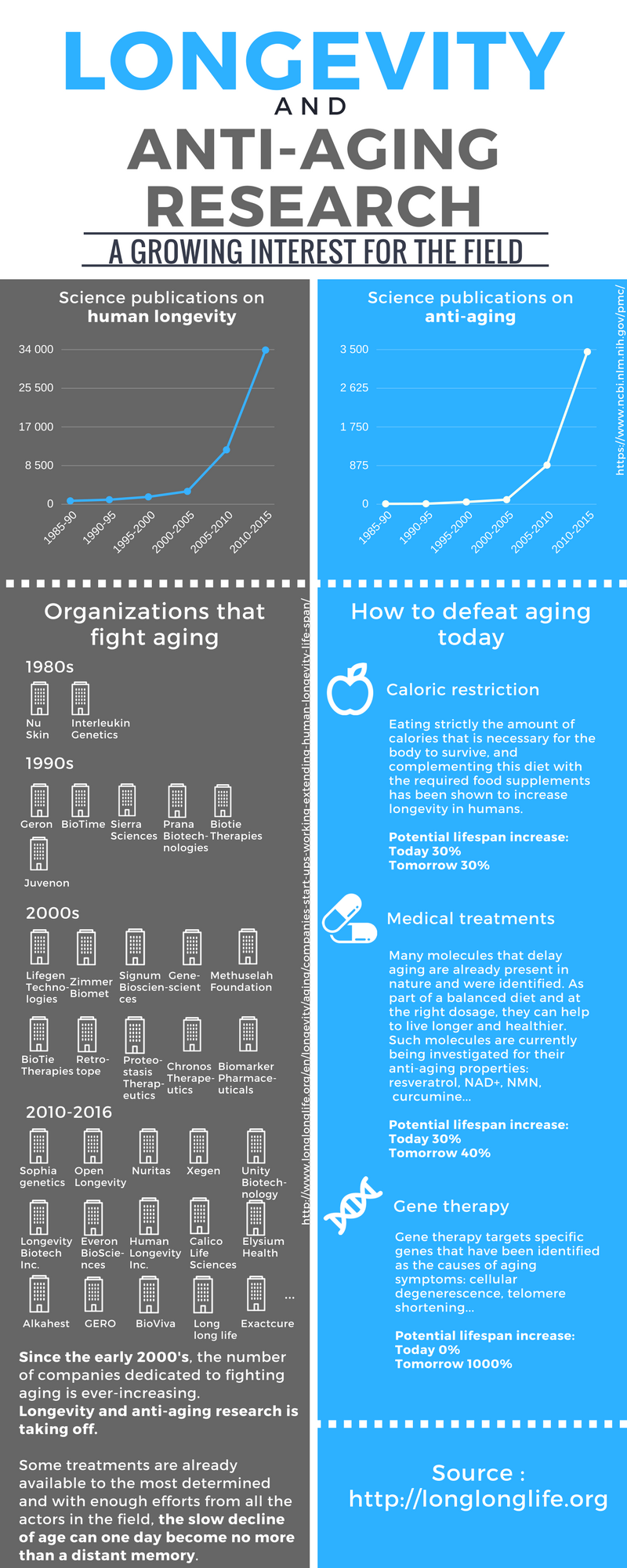
Longevity research focuses on deciphering the complexities of aging at the cellular and molecular levels. Scientists delve into the mechanisms that contribute to the aging process, aiming to identify interventions that can slow down or reverse these mechanisms. Understanding the science behind aging is crucial for developing strategies to promote longer and healthier lives.

Genetic Influences on Longevity: Unraveling the DNA Blueprint

One key aspect of longevity research involves exploring the role of genetics in determining lifespan. Scientists study the genomes of individuals who exhibit exceptional longevity to identify specific genetic factors associated with a longer life. Unraveling the DNA blueprint provides insights into the genetic determinants that contribute to a person’s ability to age gracefully.

Lifestyle Factors: The Impact of Daily Choices on Longevity

While genetics play a role, lifestyle factors are equally critical in determining longevity. Research indicates that adopting a healthy lifestyle, including a balanced diet, regular exercise, and stress management, can positively influence the aging process. Longevity research emphasizes the importance of daily choices in promoting overall well-being and extending the quality of life.

Caloric Restriction: A Pathway to Longevity

Caloric restriction is a prominent focus in longevity research. Studies suggest that reducing calorie intake without malnutrition may trigger biological mechanisms that enhance longevity. This approach is believed to influence metabolic pathways, improve cellular repair processes, and reduce the risk of age-related diseases.

Telomeres and Aging: Protecting the Chromosomal Caps

Telomeres, the protective caps at the ends of chromosomes, play a crucial role in cellular aging. Longevity research explores the connection between telomere length and the aging process. Strategies to maintain or even lengthen telomeres are being investigated as potential interventions to slow down the cellular aging that contributes to overall aging.

Emerging Technologies: A Glimpse into the Future of Longevity

Advancements in technology, such as CRISPR gene editing and artificial intelligence, are reshaping longevity research. Scientists are exploring how these tools can be harnessed to target specific aging-related factors at the molecular level. The integration of technology into longevity research opens new avenues for innovative interventions.

Senescence and Aging: Unraveling Cellular Senescence Mechanisms

Cellular senescence, the state in which cells cease to divide, is a hallmark of aging. Longevity research focuses on understanding the mechanisms behind cellular senescence and exploring ways to mitigate its negative effects. Strategies to clear senescent cells or modulate their behavior are under investigation for their potential impact on aging.

Environmental Factors: Navigating External Influences on Longevity

Beyond genetics and lifestyle, environmental factors also contribute to longevity. Longevity research examines the impact of environmental elements such as pollution, exposure to toxins, and access to green spaces on overall health and aging. Identifying and mitigating detrimental environmental factors is crucial for promoting longevity.

Explore Longevity Research: Your Gateway to a Healthful Future

For those intrigued by the possibilities of longevity research, imexassociates.com offers a gateway to explore the latest advancements and insights. Learn about the science behind extending a healthful life and discover how research in longevity is shaping the future of healthcare. Take a proactive step towards understanding and influencing your own longevity.

In conclusion, as longevity research advances, it holds the potential to redefine our understanding of aging and open new doors to a healthier and more extended lifespan. From genetic influences to lifestyle choices and emerging technologies, the multifaceted approach of longevity research provides hope and a roadmap for a future where aging is not just prolonged but also accompanied by vibrant well-being.

Read Full News
Tailored Wellness: Embracing Personalized Nutrition

Tailored Wellness: Embracing Personalized Nutrition

Tailored Wellness: Embracing Personalized Nutrition

Unlocking Optimal Health: Embracing Personalized Nutrition

In the ever-evolving landscape of health and wellness, a groundbreaking approach is gaining momentum – personalized nutrition. This revolutionary concept acknowledges that each person’s body is unique, and a one-size-fits-all approach to diet may not yield optimal results. Let’s delve into the realm of personalized nutrition and how it can pave the way for individualized well-being.

The Foundations of Personalized Nutrition: Understanding Individual Needs

At the heart of personalized nutrition is the recognition that our bodies respond differently to various foods. Factors such as genetics, metabolism, lifestyle, and even gut microbiota contribute to this individuality. Tailoring nutrition plans based on these factors allows for a more precise and effective approach to promoting health and preventing disease.

Genetic Insights: Crafting Diets Based on DNA

Advancements in genetic testing have opened up new possibilities in personalized nutrition. By analyzing an individual’s DNA, it becomes possible to uncover genetic predispositions related to metabolism, nutrient absorption, and food sensitivities. Armed with this information, nutritionists can design personalized diets that align with genetic profiles, optimizing nutrient intake and minimizing potential risks.

Metabolic Typing: Matching Diets to Energy Pathways

Another facet of personalized nutrition involves understanding metabolic types. People metabolize nutrients differently, and tailoring diets to match individual metabolic pathways can enhance energy levels, support weight management, and address specific health concerns. This approach considers factors such as how efficiently the body processes carbohydrates, proteins, and fats.

Lifestyle Factors: Integrating Nutrition with Daily Life

Personalized nutrition extends beyond genetic and metabolic considerations to encompass lifestyle factors. Assessing an individual’s activity levels, stress levels, and sleep patterns allows for the customization of nutritional plans that align with the demands of their daily life. This holistic approach ensures that dietary recommendations are not only effective but also practical and sustainable.

Food Sensitivities and Allergies: Navigating Dietary Restrictions

Many individuals grapple with food sensitivities or allergies that impact their overall well-being. Personalized nutrition takes these considerations into account, creating tailored plans that eliminate problematic foods while ensuring essential nutrients are still incorporated. This not only alleviates discomfort but also supports the body’s overall health.

Precision Nutrition for Athletes: Fueling Performance

Athletes, with their unique physical demands, can particularly benefit from personalized nutrition. Tailoring dietary plans to match specific training regimens, energy requirements, and recovery needs can optimize performance and reduce the risk of injuries. Precision nutrition plays a crucial role in helping athletes reach their full potential and achieve peak fitness levels.

Preventive Health Measures: Using Nutrition to Ward Off Diseases

Beyond addressing existing health concerns, personalized nutrition plays a vital role in preventive health. By identifying individual risk factors and crafting diets rich in protective nutrients, personalized nutrition can be a proactive measure against various diseases, including cardiovascular issues, diabetes, and certain cancers.

The Role of Technology: Apps and Tools for Personalized Nutrition

In the digital age, technology plays a significant role in delivering personalized nutrition plans. Mobile apps and online platforms offer tools for tracking dietary habits, monitoring nutrient intake, and even providing recipe suggestions based on individual preferences and nutritional needs. These technologies empower individuals to take an active role in managing their health through personalized nutrition.

Nutrigenomics: Bridging Science and Personalized Nutrition

Nutrigenomics, the study of how nutrients interact with our genes, is a key player in the realm of personalized nutrition. This field explores how specific dietary components can influence gene expression, paving the way for targeted dietary interventions. Understanding these interactions allows for the design of highly individualized nutrition plans that harness the potential of nutrigenomics.

Explore Personalized Nutrition: Transform Your Well-being

For those intrigued by the transformative potential of personalized nutrition, delve into the possibilities at imexassociates.com. This resource serves as a gateway to understanding personalized nutrition, offering insights, tools, and guidance for those looking to embark on a journey toward optimal health through customized dietary approaches.

In conclusion, as we embrace the era of personalized nutrition, we move away from generic dietary advice and toward an approach that recognizes and celebrates individuality. Through a combination of genetic insights, metabolic understanding, and lifestyle considerations, personalized nutrition empowers individuals to take charge of their health in a way that is uniquely tailored to their body’s needs.

Read Full News