

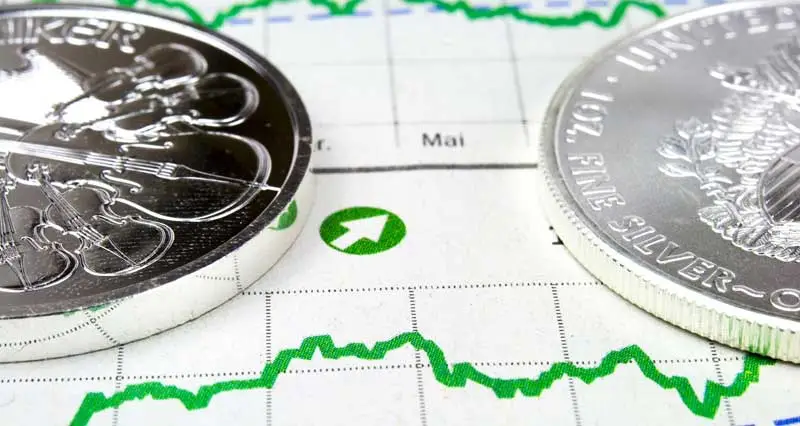
Silber als Wertanlage Proven Strategy Guide
Investing in silver offers tangible asset protection and portfolio diversification. Understand market dynamics and practical strategies for Silber als Wertanlage.

From my decades observing economic cycles and advising on tangible assets, I’ve seen firsthand the enduring appeal of silver. It serves not just as an industrial metal but also as a traditional safe-haven asset. Many investors globally, including those in the US, look to precious metals like silver to preserve wealth during uncertain times. Understanding its role and how to approach it is key for anyone serious about asset diversification.
Overview
- Silver offers a dual appeal: industrial demand and investment hedge.
- It typically performs well during periods of high inflation or economic instability.
- Investment options range from physical bullion to exchange-traded funds (ETFs).
- Due diligence on storage, liquidity, and premium costs is essential.
- Market factors like central bank policies and global economic growth influence silver prices.
- Silber als Wertanlage can provide portfolio diversification against traditional assets.
- A long-term perspective is often beneficial when allocating capital to silver.
The Foundation of Silber als Wertanlage
Silver has a unique position, acting both as an industrial commodity and a monetary metal. For millennia, it has served as a medium of exchange and a store of value across cultures. Its intrinsic worth is widely recognized. From my experience, investors often turn to silver when traditional financial markets show volatility or when inflationary pressures build. This tangible asset provides a sense of security that paper assets cannot always offer.
The market for silver is smaller and often more volatile than gold, presenting distinct opportunities and risks. Industrial demand accounts for over half of its annual consumption, used in electronics, solar panels, and medical applications. This industrial utility provides a robust demand floor, unlike pure monetary metals. When economic growth strengthens, industrial demand for silver typically rises, impacting its price.
Approaching Silber als Wertanlage means appreciating its role as an inflation hedge. During periods of rising costs, owning physical assets like silver helps protect purchasing power. Unlike fiat currency, silver cannot be printed at will, preserving its scarcity. This characteristic is fundamental to its long-term appeal as a wealth preserver. Understanding these foundational elements helps frame expectations for your investment journey.
Understanding Silver Market Forces
Understanding the forces that move the silver market is critical for any investor. Supply primarily comes from mining, often as a byproduct of copper, lead, or zinc extraction. Demand drivers are complex, ranging from jewelry and silverware to crucial industrial applications. Economic expansion fuels industrial demand, while geopolitical instability and fear often boost investment demand.
Central bank policies, especially from institutions like the US Federal Reserve, play a significant role. Interest rate decisions and quantitative easing measures can impact the perceived value of safe-haven assets. A weaker US dollar often makes dollar-denominated commodities, including silver, more attractive to international buyers. This interplay of factors requires constant monitoring.
Silver’s price tends to be more volatile than gold due to its smaller market size and higher industrial dependency. This volatility can present opportunities for strategic entry and exit points, but it also carries increased risk. Investors should analyze global economic indicators, technological advancements, and overall market sentiment. Diversifying your approach to market data provides a clearer picture.
Long-Term Outlook for Silber als Wertanlage
The long-term prospects for silver appear compelling, driven by evolving global trends. Its increasing use in green technologies, such as solar photovoltaic cells and electric vehicle components, is a significant demand catalyst. As the world transitions towards renewable energy and digitalization, silver’s industrial footprint will likely expand. This structural demand provides a positive undercurrent for its future value.
From a wealth preservation standpoint, Silber als Wertanlage continues to serve as an effective hedge against inflation and currency debasement. Governments globally continue to expand money supplies, which historically favors finite assets like precious metals. While short-term price fluctuations are inevitable, the fundamental role of silver as a tangible store of value remains robust for long-term holders.
My observation confirms that patient investors who view silver as a multi-decade asset often benefit. It acts as a counterweight within a balanced portfolio, particularly during periods when traditional assets struggle. The scarcity of new silver discoveries, combined with rising industrial requirements, suggests a favorable supply-demand dynamic in the coming decades. This creates a strong argument for its enduring appeal.
Executing Your Plan for Silber als Wertanlage
Putting a plan into action involves several practical decisions. Investors typically choose between physical silver (coins, bars) or paper assets like silver ETFs or mining stocks. Each option carries distinct advantages and disadvantages regarding liquidity, premiums, storage, and counterparty risk. Physical silver offers direct ownership and removes counterparty risk but requires secure storage.
For those opting for physical silver, securing reputable dealers is paramount. Always verify authenticity and understand the premiums over spot price. Storage solutions range
